Cornerstone Content: Blogging About Your Brand’s Core Message
By Jayne Schultheis — For centuries, the word "cornerstone" meant a basic, foundational element. It referred to the first stone laid in the masonry of a building — the one that set the course for all other stones. In the realm of marketing, the "cornerstone" of your web content should be
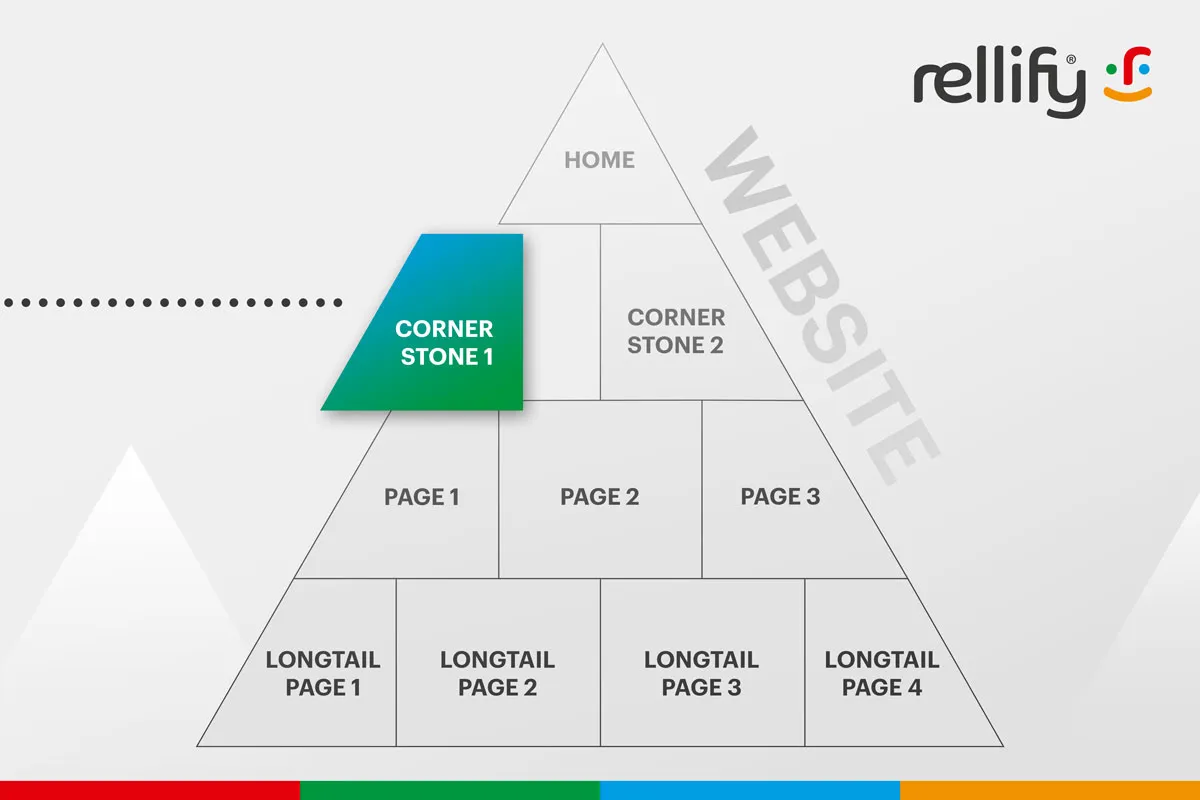
By Jayne Schultheis — For centuries, the word “cornerstone” meant a basic, foundational element. It referred to the first stone laid in the masonry of a building — the one that set the course for all other stones. In the realm of marketing, the “cornerstone” of your web content should be blog posts and articles that exemplify the knowledge, authority, and expertise of your brand. In this article, we’ll clearly define cornerstone content and give you tips on crafting it.
What is cornerstone content?
Cornerstone content refers to high-quality, foundational articles on your website that are crucial for its SEO strategy and overall content marketing efforts. They’re designed to provide comprehensive, authoritative information on key topics that are central to your website’s niche or industry.
What are some key elements of cornerstone content?
Before you start drafting outlines, you’ll need a good understanding of what characterizes cornerstone content:
Comprehensive and in-depth. These articles cover a topic thoroughly, often serving as the definitive guide on that subject. They aim to answer all relevant questions a reader might have.
Authoritative and trustworthy. Written with expertise and backed by research, cornerstone content establishes the website as a credible source of information. AI text generation has rapidly and significantly re-shaped the public discussions of credibility and expertise, so this is a critical element of content creation in the current context. That’s not to say AI text generation has no place in cornerstone content, but you should be conscious and discerning of how you use it.
Evergreen. Cornerstone content is not necessarily evergreen (we’ll have more on this later). However, it can be written to remain relevant and useful over time, often requiring only minor updates. These updates should be reflective of both up-to-date information on the topic and any content optimization relating to SEO. Refreshed keyword research can make a huge difference in updating content what has been online for a while.
High-quality. Well-written, well-structured, and free of errors. It includes visuals, infographics, videos, and other media to enhance understanding.
Strong SEO. Incorporates strategic keywords, internal links, and a clear structure to improve search engine rankings.

Examples of cornerstone content
Several formats lend themselves to the creation of cornerstone content, including:
Guides and tutorials that inform readers on how to achieve a particular goal or complete a task within the site’s niche.
Foundational articles that cover the basics and essential knowledge about a core topic in detail.
Pillar pages that serve as a central hub linking to various sub-topics (cluster content) around a broader theme.
Why is cornerstone content so important?
When you’re executing a strategy for content curation to connect with your target audience, you need a strong foundation. Here are some reasons you should focus on cornerstone content:
Search results. By its very nature, cornerstone content will possess E-E-A-T, which is valued by Google’s Search Quality Evaluator Guidelines (SQEG). Articles that show “Experience, Expertise, Authoritativeness, and Trustworthiness” are full of relevant content as well as important keywords. That helps them to rank higher in search engine results, driving organic traffic.
Audience engagement. High-quality, informative content keeps users engaged, reduces bounce rates, and increases their time spent on the site. A well-structured site with clear foundational content also provides a better user experience, which keeps people on your pages for longer.
Authority building. Establishes you as an expert in your field, which can lead to higher trust and credibility among readers and peers.
Internal linking. These articles serve as hubs for internal links, helping to distribute link equity and improve the SERP of related pages on the site.
Backlink strategy. Cornerstone content is ideal for obtaining backlinks. It has the quality that makes it worthwhile for another site to link to your page.
How does cornerstone content differ from evergreen content?
We briefly mentioned “evergreen content” earlier, but what exactly sets it apart from cornerstone content? “Evergreen” and “cornerstone” can and probably should be part of your content strategy, but they serve different purposes.
“Cornerstone” content refers to the most important, comprehensive articles on a website. These pieces are central to the site’s content strategy and cover core topics in-depth, serving as the foundation for related content.
The main attribute of “evergreen” content is that it remains relevant and valuable over an extended period. This type of content does not lose its significance with time, much like evergreen trees that stay green throughout the year. A relatively short article can be an evergreen but not a cornerstone. Or, an evergreen can be a spoke article that supports a hub, or cornerstone, article.
A piece of content can be an evergreen or a cornerstone, neither, or both!
What are some best practices for cornerstone content?
Whether you’re conducting a content audit or just starting the process of content marketing, here are some goals you should set for your cornerstone content.
Identify key topics. Determine the main topics that are central to your blog or website’s mission. In-depth content analysis, keyword research and topic ideation are crucial for finding your corner of the internet and raking in leads and customers. Rellify can help with this. By strategically using AI-assisted technology, we help clients find niche topics and keywords that will help content naturally rank well on search engines and resonate with your target audience.
Research thoroughly. Gather all necessary information to create a comprehensive article on the chosen topic. Check out your top competitors’ websites and take note of structural similarities you see between their cornerstone pages. Do some market research on what kind of blog or design elements resonate best with your target audience.
Use SEO to boost quality. Write detailed, well-structured, and meaningful blog articles that are highly relevant to your niche. Relevant keywords, meta descriptions, headers, backlinks, and internal links are all critical parts of SEO. Rellify is an expert on SEO, and our platform tracks key elements of your SEO efforts and shows you what needs to happen to get your cornerstone content to start ranking.
Update regularly. Keep the content updated so it keeps its relevance and stays accurate over time. Evergreen is the name of the game.
Promote actively. Share the cornerstone content through social media, newsletters, and other channels to drive traffic. You can even slice and dice the content into smaller elements, repurposing it so it’s more digestible, relevant, and intriguing for users all along the customer journey.
Rellify can help you create expert, relevant cornerstone content
Rellify knows the value and power of cornerstone content within a robust and diverse content strategy. That’s why we worked so hard to develop machine learning tools that help your content creation. With our AI and the Relliverse™, we have streamlined the process for making well-researched and targeted content. Our content management system can help you identify the best opportunities to reach your content goals. Then, within the platform, you’re set to create expert cornerstone content that will help you climb the search rankings naturally.
Ready to find out exactly how Rellify can revolutionize your content and processes? Schedule a quick call for a free demo and quote from one of our experts!